
A strong reseller onboarding process separates partners who succeed from those who struggle. Many companies leave money on the table by failing to support new resellers effectively during their first critical months.
At RIPE INNOVATION INC., we’ve seen firsthand how structured onboarding cuts time-to-first-sale and builds lasting partner relationships. This guide covers the mistakes to avoid and the practices that actually work.
How to Build an Onboarding Timeline That Actually Works
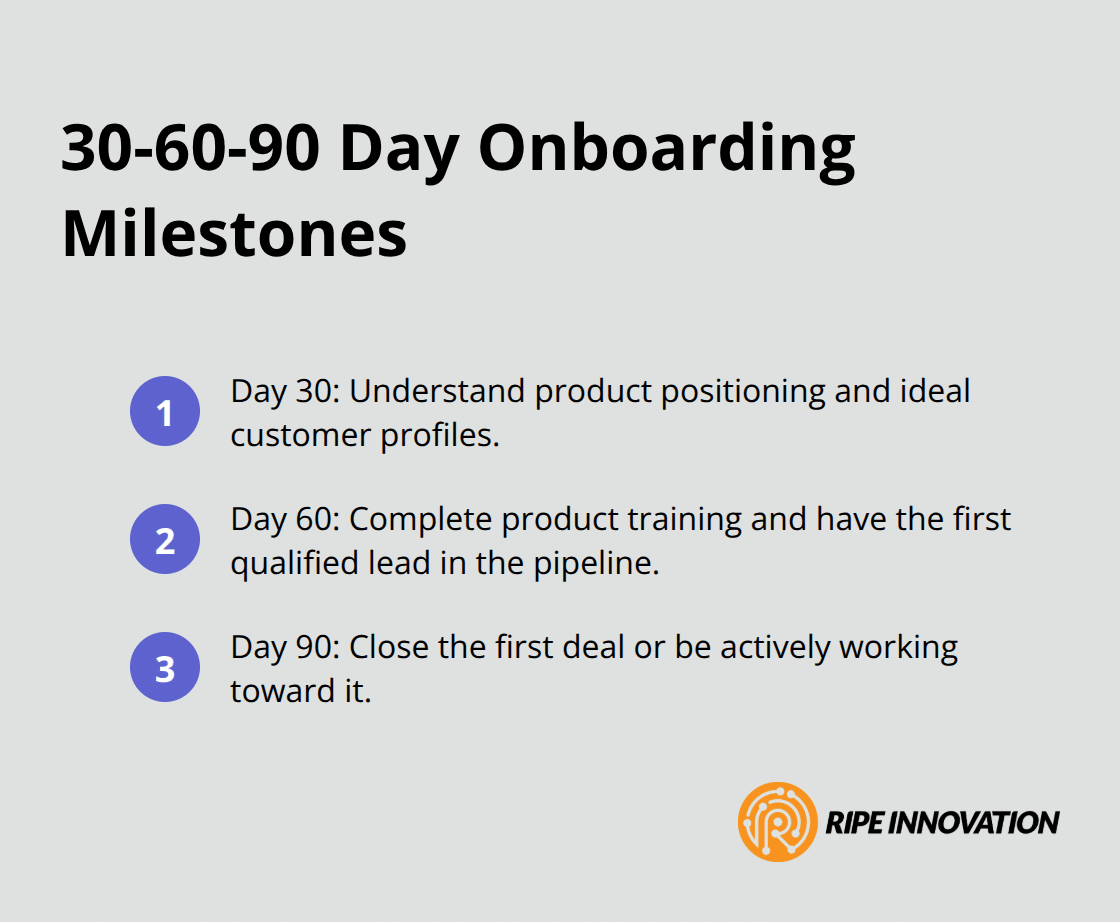
Structured onboarding cuts time-to-first-sale significantly, and the difference shows up fast in your numbers. Partners who complete a defined onboarding program typically reach their first sale within 30 to 60 days, compared to those operating without clear milestones who may take months. The key is moving beyond vague timelines and building a concrete roadmap with specific milestones at 30, 60, and 90 days.
At each stage, partners should know exactly what they need to accomplish: at day 30, they understand your product positioning and ideal customer profiles; at day 60, they have completed product training and have their first qualified lead in the pipeline; at day 90, they close their first deal or actively work toward it.
Assign a dedicated onboarding contact or team to shepherd each partner through these phases, because partners who receive consistent support from a named person convert faster and stay longer. This single point of contact removes friction, answers questions immediately, and keeps momentum going when partners hit obstacles.
Product Knowledge That Sticks
Generic product training fails because partners forget what they don’t use immediately. Instead, deliver training that connects directly to selling: show them how your cloud solutions or security offerings solve the specific pain points their target customers face. Run hands-on sandbox environments where technical team members can test your products in a safe space before they pitch to clients, reducing the fear of looking unprepared.
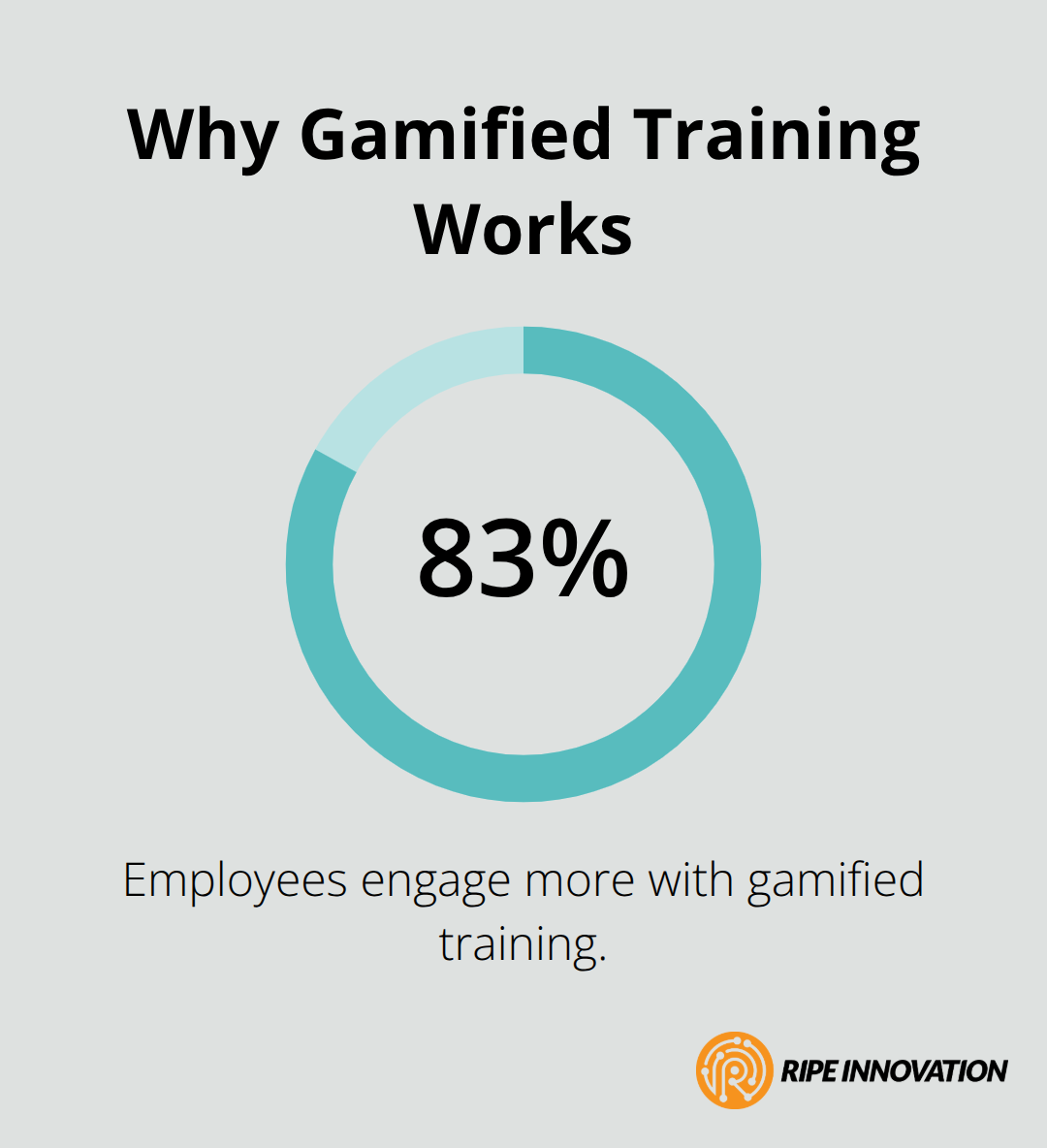
Role-specific training matters too-your sales team needs different content than your technical staff. Sales staff need battle cards that compare your offerings against competitors, positioning guides that explain why a prospect should choose you, and customer case studies showing real outcomes. Technical teams need deep product documentation, troubleshooting guides, and access to your support team for complex questions. Reward partners who complete training modules, not as a gimmick but as a genuine incentive to prioritize learning over other tasks. Research shows that 83 percent of employees engage more with gamified training, so incorporating progress tracking, badges, or completion bonuses actually moves the needle on adoption.
Support That Removes Friction
New partners fail when they hit a technical snag or pricing question and can’t find an answer. Establish dedicated support channels from day one, meaning partners know exactly who to contact for product questions, pricing inquiries, lead support, and technical issues. Some companies use a shared Slack channel or email alias; others assign specific team members to handle different categories. Whatever method you choose, respond within 24 hours, not a week. Early-stage partners are still deciding whether your partnership is worth their effort, so slow support feels like abandonment.
Provide pre-qualified leads or guidance on lead identification during the first 90 days to jumpstart early sales activity. Partners who land their first customer quickly gain confidence and momentum, and that momentum drives their commitment to the partnership long-term. This foundation of quick wins and responsive support sets the stage for the training and certification paths that help partners scale their efforts beyond those critical first months.
Where Onboarding Goes Wrong
Information Overload Kills Retention
Most companies bury new partners in information during their first week. They send product spec sheets, pricing documents, contract terms, compliance guides, and access credentials all at once, expecting partners to absorb everything simultaneously. Information overload during partner onboarding backfires consistently. Partners become overwhelmed, stop reading after the first few documents, and miss critical details about pricing or support channels.
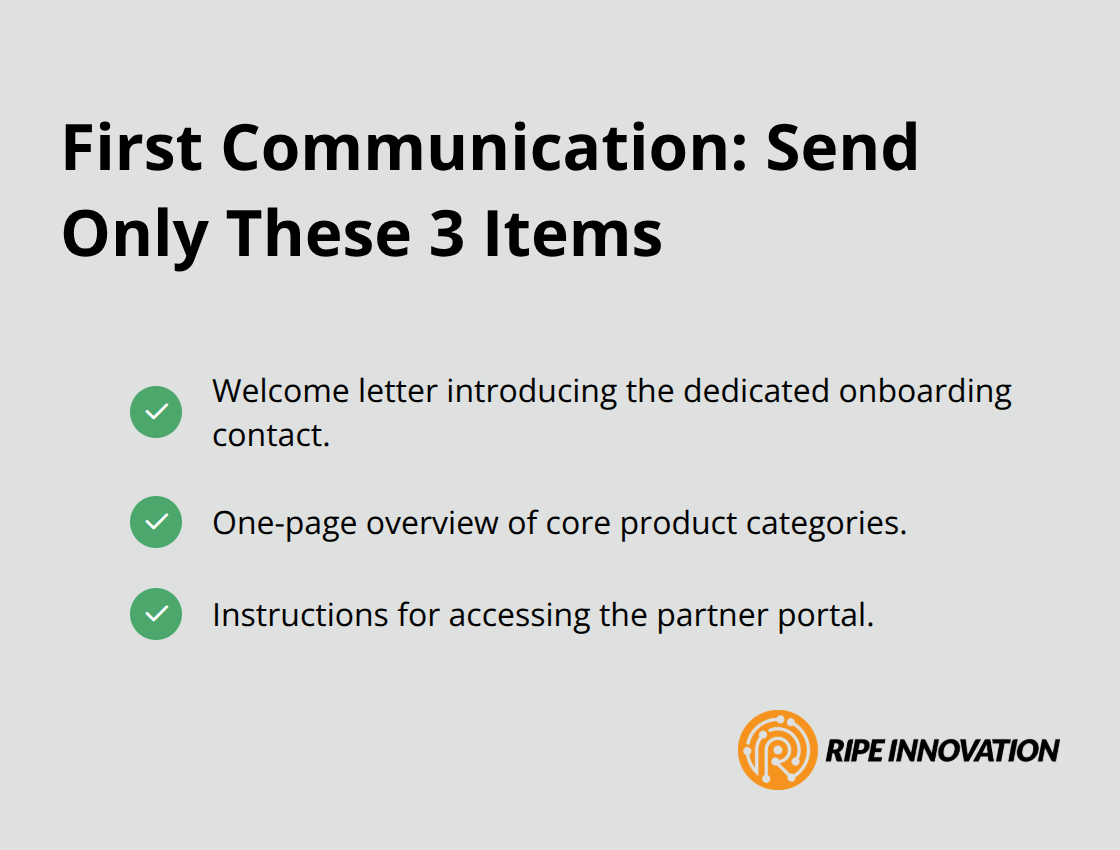
The solution is ruthless prioritization. In your first communication, send only three things: a welcome letter introducing your dedicated onboarding contact, a one-page overview of your core product categories, and instructions for accessing your partner portal. Everything else waits until partners signal readiness during their first check-in call. This staged approach respects partners’ capacity and increases the odds they actually retain what matters most.
Pricing Confusion Stops Sales Before They Start
Unclear pricing and commission structures create friction that kills momentum during early sales attempts. Partners need to know exactly what they earn on each product, when commissions pay out, what volume discounts apply, and whether pricing varies by customer segment or region. Too many companies hide this information in dense spreadsheets or assume partners will figure it out through trial and error.
Partners instead waste time asking your sales team basic questions that should have been answered in onboarding, or worse, they quote wrong prices to prospects and damage credibility before their first deal closes. Write a single-page commission guide that shows commission percentages for your top five products, explains the payment schedule clearly, and lists any volume thresholds partners need to hit for better rates. Include examples: if a partner closes a $500 monthly cloud backup deal, they earn X dollars per month, paid on day 15 following the billing month. Concrete numbers remove ambiguity.
Slow Support Signals Low Priority
Insufficient support during the first 90 days signals to partners that you do not prioritize them, and they respond by deprioritizing your partnership in favor of vendors who answer faster. Many companies assign onboarding to junior staff who juggle it with other responsibilities, creating response delays of several days. Partners interpret this as low priority and shift their sales focus elsewhere.
Treat the first 90 days as non-negotiable-partners receive a named technical contact and a named sales contact, both of whom respond within 24 hours to any question. This commitment costs little but delivers outsized returns because early momentum compounds. A partner who lands their first customer in month two stays committed for years; a partner who waits six months for their first win often abandons the relationship. This foundation of responsive support and quick wins sets the stage for the training and certification paths that help partners scale their efforts beyond those critical first months.
Support That Scales With Your Partners
Match training to how partners actually sell
New resellers and MSPs need training that matches how they actually sell, not generic product overviews that waste their time. Your sales team and technical staff operate in completely different worlds, so structure your onboarding around role-specific content. Sales staff need to understand positioning, competitive advantages, and how to identify prospects with specific pain points. They need battle cards showing how cloud backup, Microsoft 365, or managed security solutions compare to alternatives, plus real customer outcomes that prove ROI. Technical team members need hands-on access to test your platforms in a sandbox environment before they support customers, because confidence matters when troubleshooting at 2 AM. They need deep documentation, API references, and direct access to your technical support team for complex questions. Separating these training paths prevents wasting a salesperson’s time on CLI commands or forcing a technician to sit through positioning lectures.
When partners complete role-specific training, they convert faster and stay committed longer. The first 90 days should include at least one hands-on session where technical staff can spin up test environments, deploy configurations, and confirm they understand how to support customers end-to-end. Many partners skip this step and regret it when their first customer calls with a technical issue and they fumble through documentation looking for answers.
Schedule Check-Ins That Remove Obstacles
Regular check-ins during the first 90 days separate partners who hit their stride from those who fade. Schedule your first check-in at day 14 to confirm they’ve accessed the partner portal, completed initial training modules, and identified their first target accounts. At day 45, review their pipeline to see if they have qualified opportunities and address any blockers they’ve hit. At day 90, assess their progress toward that first sale and decide whether they need additional support or are ready to operate independently.
These touchpoints should be brief-20 to 30 minutes-focused on removing obstacles rather than reviewing performance. Ask what’s working, what’s confusing, and where they need faster responses from your team. Partners who feel heard during these early conversations trust the relationship and invest more effort in your partnership.
Use Data to Improve Your Program
Track completion rates for training modules, time to productivity, and partner satisfaction scores during onboarding to identify patterns. If 60 percent of your partners stall at the same training module, that module is broken and needs revision. If partners consistently report slow responses to technical questions, add capacity to that team. Data-driven adjustments to your onboarding program compound over time, turning a mediocre process into one that consistently delivers partners ready to sell within 60 days.
Final Thoughts
Onboarding success rests on three core elements: structured timelines that move partners to their first sale within 60 days, role-specific training that matches how salespeople and technical staff actually work, and responsive support that removes obstacles before they derail momentum. Companies that execute these three elements see partners who stay committed, close deals faster, and build sustainable revenue streams. Those that skip steps or treat onboarding as a one-time event watch partners fade or shift focus to competitors who invest in their success.
We at RIPE INNOVATION INC. built our reseller onboarding process around this reality. Since 2011, we’ve worked with MSPs, value-added resellers, and system integrators across the Philippines and beyond, and we’ve learned that partners succeed when they have clear direction, practical tools, and someone who answers their questions fast. Our cloud portfolio spans Cloud Desktop, Microsoft 365, Azure, cloud backup, and cloud phone services, while our security offerings include solutions from Sophos, WatchGuard, CrowdStrike, Malwarebytes, and others.
If your reseller onboarding process feels chaotic or your partners take too long to close their first deals, the fix is simpler than you think. Start with a 90-day roadmap, assign a named contact to each partner, and deliver training that matches how they actually sell. Visit RIPE INNOVATION INC. to see how we support partners with the products, pricing clarity, and backing they need to build predictable recurring revenue without the complexity.